What Is a Digital Signature?
A Digital Signature is an electronic method of verifying the authenticity and integrity of a digital document, message, or transaction. It helps confirm the identity of the signer and ensures that the signed information has not been altered after signing.
In India, Digital Signatures are widely used for online government services, income tax returns, company registration, GST filings, e-tendering, and other legally significant electronic transactions.
A Digital Signature is different from a scanned image of a handwritten signature. It uses cryptographic technology to provide a more reliable method of authentication and document verification.
Types of Digital Signatures
Digital signatures can be classified according to their technology and intended use.
1. Class 3 Digital Signature Certificate (DSC)
Class 3 DSCs are commonly used in India for applications requiring strong identity verification and security. They are frequently used for e-tendering, e-procurement, company filings, and other online services that require a valid Digital Signature Certificate.
2. Signing Digital Signature
A signing certificate is used to digitally sign electronic documents and authenticate the signer’s identity.
3. Encryption Digital Signature Certificate
An encryption certificate is used to encrypt information so that it can be accessed only by the intended recipient with the appropriate decryption key. It serves a different purpose from a signing certificate.
Uses of Digital Signatures in India
Digital signatures are used across various industries and government platforms, including:
- Income Tax Returns: Signing income tax returns and related electronic submissions where required.
- GST Compliance: Authenticating specified GST registrations, returns, and other filings where a DSC is required.
- Company Registration: Filing incorporation documents, annual returns, and other forms with the Ministry of Corporate Affairs (MCA).
- E-Tendering: Participating in government tenders and online procurement processes.
- Business Agreements: Signing contracts and business documents electronically.
- Banking and Financial Services: Supporting secure electronic transactions and document authentication where accepted.
- Government Services: Verifying identity and authorising submissions on supported online portals.
Benefits of Digital Signatures
1. Enhanced Security: Cryptographic technology helps protect signed documents against undetected alteration.
2. Identity Verification: A valid Digital Signature Certificate helps establish the identity associated with a signature.
3. Time Savings: Documents can be signed and submitted online without printing, signing by hand, and scanning.
4. Cost Efficiency: Businesses can reduce paperwork, printing, courier expenses, and administrative work.
5. Legal Recognition: Digital signatures meeting the applicable requirements of Indian law can receive legal recognition under the Information Technology Act, 2000.
6. Convenient Online Filing: Digital signatures make it easier to complete eligible government and business procedures remotely.
How to Obtain a Digital Signature Certificate in India
You can obtain a Digital Signature Certificate from a licensed Certifying Authority in India.
The general process is:
- Choose a Certifying Authority authorised to issue Digital Signature Certificates.
- Select the appropriate certificate type and purpose.
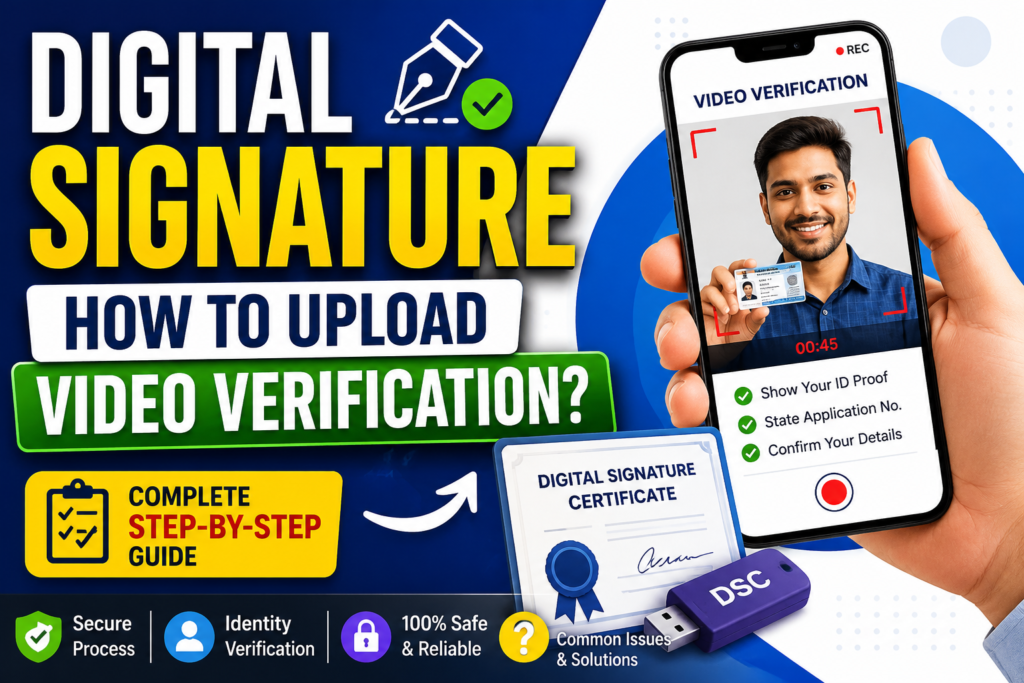
- Complete the online application and identity verification process.
- Submit the required documents and information.
- Complete any additional verification required by the provider.
- Receive and activate your certificate using the prescribed method.
Depending on the provider and certificate type, a DSC may be issued through a USB cryptographic token or another supported method.
Digital Signature vs. Electronic Signature
Although the terms are sometimes used interchangeably, they are not identical.
An electronic signature is a broad term for electronic methods used to indicate agreement or approval. A digital signature generally refers to a cryptographic method that uses a digital certificate and associated keys to authenticate a signature and verify document integrity.
The appropriate method depends on the document, the recipient’s requirements, and the applicable law.
Is a Digital Signature Legally Valid in India?
Yes. Digital signatures that satisfy the applicable requirements of the Information Technology Act, 2000, and relevant rules can be legally recognised in India. However, legal validity and acceptance depend on the type of transaction, applicable legal requirements, and the method used. Certain documents and transactions may be subject to specific exclusions or additional conditions.
Conclusion
Digital signatures are an important part of secure digital communication and paperless business operations. They help individuals, professionals, and organisations authenticate documents, protect information integrity, and complete eligible online transactions efficiently.
Whether you are filing government forms, managing company compliance, participating in e-tenders, or signing business documents, choosing the appropriate Digital Signature Certificate can make your digital workflow more secure and convenient.