

Understanding Customer Engagement
Customer engagement refers to the emotional connection between a brand and its customers. This concept is particularly significant within the realm of social media marketing, as it evolves from passive consumption of content to active participation and interaction. Unlike traditional marketing methods, which often broadcast messages without feedback, social media facilitates a two-way interaction, enabling brands to engage meaningfully with their audience.
Through remarks, likes, shares, and direct messages, businesses can gauge their customers’ preferences and sentiments, making engagement a vital component of successful marketing strategies. Building a solid rapport with customers goes beyond mere transactions; it fosters loyalty and trust. When customers feel valued and acknowledged, they are more likely to remain loyal to a brand and recommend it to others, amplifying organic growth.
Moreover, an engaged audience is more likely to provide useful feedback, which can help businesses refine their offerings and strategies. Engaging with customers on social media allows brands to communicate directly, providing immediate responses to inquiries and concerns, thus enhancing customer satisfaction. This level of interaction showcases a brand’s commitment to its customers, setting it apart from competitors who may not prioritize engagement.
Choosing the Right Social Media Platforms
Furthermore, as social media platforms become increasingly integral to consumers’ daily lives, brands that prioritize customer engagement can leverage these platforms for enhanced visibility and reach. By creating interactive content, utilizing polls, hosting live sessions, and encouraging user-generated content, businesses can stimulate active engagement. These strategies not only keep the audience interested but also translate to higher conversion rates, as engaged customers are more likely to make purchases. Ultimately, understanding and enhancing customer engagement on social media opens pathways to increased sales and long-term business success.
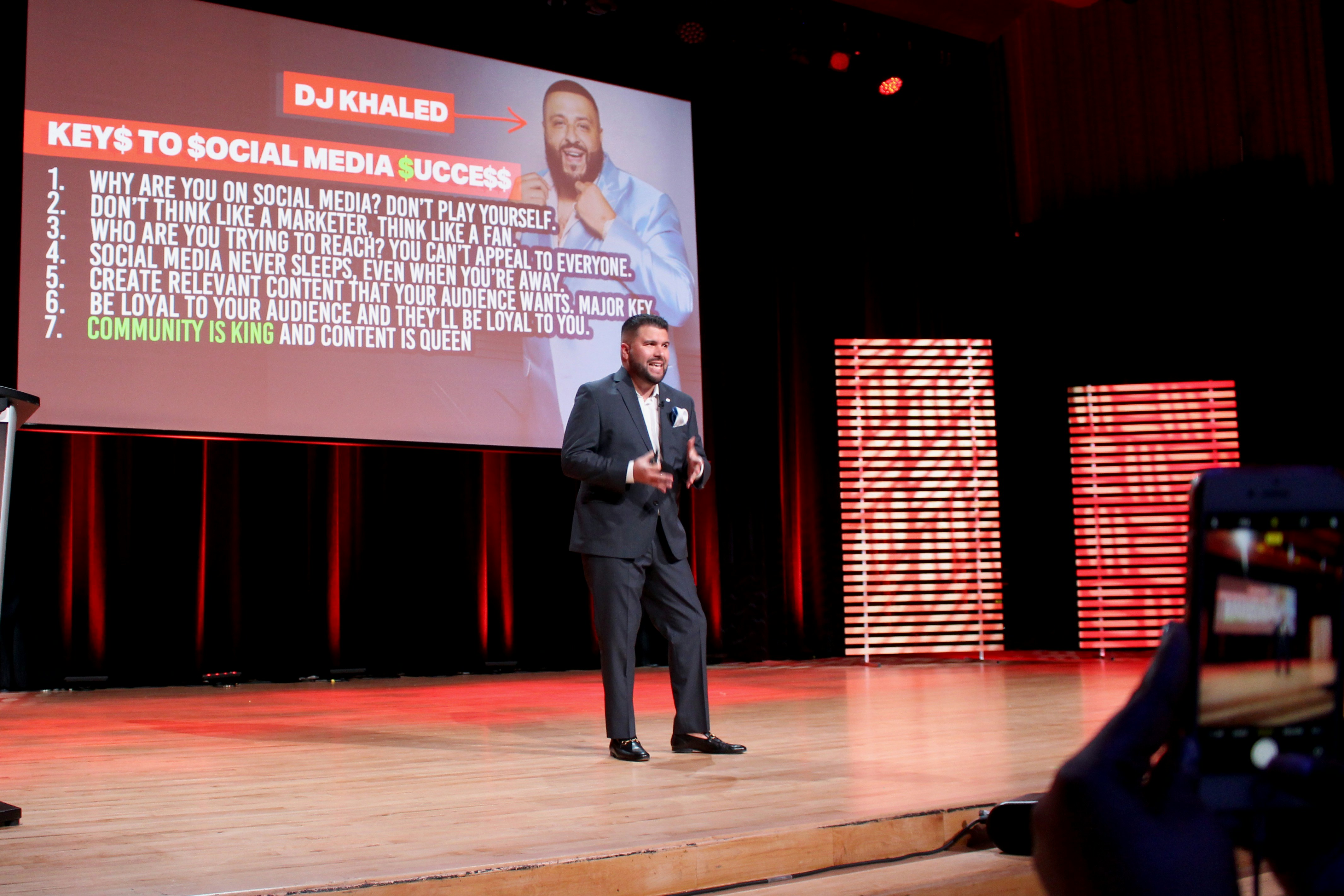
Selecting the appropriate social media platforms for your business is a critical step toward enhancing customer engagement and driving sales. Each platform offers unique features, user demographics, and communication styles that can impact the way you connect with your audience. It is imperative to evaluate these platforms carefully to determine where your efforts will yield the best results.
Facebook remains one of the most widely used social media channels, boasting billions of active users. Its diverse audience ranges across various age groups, making it an ideal platform for businesses aiming to reach a broad spectrum of consumers. The platform’s robust advertising options allow for targeted campaigns, enabling companies to enhance engagement through compelling content tailored to distinct demographics.
In contrast, Instagram thrives on visual storytelling, making it an ideal choice for brands with strong visual elements. With a younger audience primarily composed of millennials and Gen Z, businesses in industries like fashion, travel, and food often find great success here. Engaging with users through high-quality images, reels, and stories can foster a deeper connection, enhancing customer loyalty.
Twitter serves as a platform for real-time engagement and interaction, particularly suited for brands that emphasize customer service or want to participate in trending conversations. Its fast-paced environment allows for concise communication, making it perfect for updates, promotions, or addressing customer inquiries promptly.
LinkedIn specializes in professional networking, making it the go-to platform for B2B companies. Here, brands can engage with potential partners, clients, and industry influencers. By sharing valuable content and thought leadership articles, businesses can establish authority while fostering meaningful relationships in their industry.
Lastly, TikTok has emerged as a powerful platform for reaching younger audiences through short, engaging videos. Companies that leverage creativity and relatability can tap into viral trends, capturing the attention of potential customers in an entertaining format.
Ultimately, to determine the right social media channels for your engagement strategy, consider your target audience’s preferences, the nature of your products or services, and the unique characteristics of each platform. By strategically selecting your social media presence, you can enhance your overall customer interaction and drive increased sales.
Creating Engaging Content
In the digital age, creating engaging content is paramount for businesses aiming to enhance customer engagement on social media effectively. Various content types resonate well with audiences, fostering interaction and interest across platforms. One of the most compelling formats is video. Video content can capture attention swiftly, making it easier to deliver messages and showcase products or services dynamically. Whether it’s through tutorials, behind-the-scenes footage, or product reveals, videos facilitate connection and stimulate viewer engagement.
Another effective content type is polls. Polls not only invoke participation from the audience but also provide valuable insights into customer preferences. By encouraging users to vote on options, you foster a sense of community, allowing customers to feel included in the decision-making process. This participatory approach can lead to increased shares and comments, enhancing overall engagement.
Images, too, play a critical role in boosting engagement on social media. High-quality images that reflect your brand’s identity can attract users’ attention as they scroll through their feeds. Incorporating user-generated content, such as customer photos highlighting how they use your products, can further leverage this strategy. This not only builds trust but also encourages customers to become active participants in your brand story.
Live streams are another powerful method for creating real-time interaction with your audience. They offer a platform for Q&A sessions, product launches, or even casual chats, which can help humanize your brand and form a deeper connection with your audience. Lastly, integrating user-generated content invites customers to share their experiences, providing authenticity and generating excitement around your brand. Encouraging customers to tag your brand in their posts can create a robust cycle of engagement and trust.
Utilizing Social Media Tools and Analytics
In today’s digital landscape, leveraging social media tools and analytics is essential for brands aiming to enhance customer engagement and drive sales. These resources not only streamline the management of social media accounts but also provide valuable insights that inform strategic decisions. Utilizing social media management tools can assist in scheduling posts, monitoring mentions, and engaging with audiences in a timely manner, thereby improving interaction rates.
Another critical aspect of utilizing these tools is the analytic capabilities they offer. Brands can track various engagement metrics such as likes, shares, comments, and overall reach. This data serves as a powerful asset for marketers, helping to identify which content resonates most with their audience. It can reveal patterns in consumer behavior, allowing businesses to tailor their strategies effectively. For instance, if a particular type of post generates higher engagement, brands can leverage this information to inform future content strategies, ultimately leading to increased sales.
Moreover, analytics can optimize posting schedules by identifying the times when audiences are most active. By analyzing peak engagement times, brands are able to tailor their posting schedules to maximize visibility and interaction. Additionally, the data-driven insights garnered from these analytics can assist in segmenting audiences, enabling personalized marketing approaches that speak directly to specific consumer needs and preferences.
In conclusion, integrating social media tools and analytics into marketing strategies is fundamental to enhancing customer engagement. By harnessing these insights, businesses can optimize their content and improve overall effectiveness, ultimately resulting in greater sales growth through informed decision-making.
Building a Community Around Your Brand
Creating a vibrant community around your brand on social media is essential for fostering customer engagement and loyalty. Customers are more likely to remain connected and support a brand that encourages participation and interaction. To achieve this, brands should focus on a few key strategies that promote conversations and user interaction.
First and foremost, encouraging discussions through thought-provoking content or questions can help initiate dialogue among your audience. This could be achieved through polls, open-ended questions, or by sharing relevant articles that invite feedback. By making it a habit to respond to comments and engaging with your audience, you not only foster a sense of belonging but also show that you value their opinions, which can significantly enhance customer loyalty.
In addition to engaging in direct conversations, creating dedicated groups or forums on social media platforms can encourage deeper interactions. These spaces allow customers to share experiences, ask questions, and provide peer support, further solidifying their relationship with your brand. It is beneficial to moderate these groups actively, ensuring that discussions remain relevant and helpful while also fostering a positive atmosphere.
Furthermore, utilizing user-generated content can effectively enhance community building. Encourage your customers to share their experiences with your products or services and highlight these posts on your official channels. Not only does this validate the experiences of your customers, but it also encourages others to engage and share, enriching the community further.
Overall, by implementing strategies that stimulate discussions, creating interactive groups, and promoting user content, brands can establish a thriving community on social media. This sense of community plays a vital role in improving customer engagement and loyalty, ultimately leading to increased sales and brand advocacy.
Running Interactive Campaigns and Contests
Interactive campaigns and contests are powerful tools for enhancing customer engagement on social media platforms. By transforming passive followers into active participants, brands create a dynamic environment conducive to increased interaction and excitement. To design an effective campaign, businesses must ensure that the concept is engaging, aligns with their brand identity, and resonates with their audience.
One popular method is to encourage user-generated content through photo or video contests. For instance, brands can invite users to share their experiences with the product, potentially using a designated hashtag. This approach not only amplifies brand visibility but also fosters a community atmosphere, as customers engage with each other’s submissions. Clear guidelines regarding entries, along with enticing incentives such as prize giveaways, are crucial to driving participation and ensuring that users share their entries on their networks, thereby extending the campaign’s reach.
Another effective strategy includes quiz or trivia campaigns that prompt followers to answer questions related to the brand or industry. Such interactive content is not only fun but also educates participants about the brand, enhancing their knowledge and loyalty. Moreover, setting up a leaderboard for participants can create an element of competition, motivating followers to engage continually throughout the campaign duration. This increased engagement can lead to higher visibility for the brand and ultimately increased sales.
The excitement and anticipation generated by contests can result in natural word-of-mouth promotion, a valuable asset for any business. Thus, social media campaigns centered around interactivity not only engage customers but also cultivate a sense of community and belonging, making them more likely to return as loyal customers in the future.
Personalizing Customer Interactions
In an era where social media dominates, personalizing customer interactions has emerged as a crucial strategy for brands seeking to enhance engagement and drive sales. The importance of a tailored approach cannot be overstated, as personalized communication fosters stronger relationships and increases customer loyalty. By understanding customer preferences and behaviors, businesses can craft messages that resonate, leading to a more engaged audience.
To effectively personalize interactions, companies should first analyze the demographics and psychographics of their target audience. This data allows brands to segment their customer base effectively, tailoring messages for various groups based on factors such as age, location, and interests. For instance, a clothing retailer may design distinct marketing campaigns for teenagers and middle-aged adults, ensuring that each group receives content that aligns with their unique taste and preferences.
Moreover, actively listening to customer sentiments is crucial in enhancing personalized interactions. By monitoring comments, messages, and mentions, brands can identify positive and negative feedback, responding appropriately to both. Acknowledging a customer’s concern with empathy demonstrates attentiveness, while celebrating their positive experiences can encourage further engagement. Responding in a timely manner is essential; customers appreciate quick, thoughtful replies that make them feel valued.
Additionally, leveraging data analytics tools can facilitate the development of personalized content strategies. These tools enable brands to track engagement metrics, helping ascertain which types of content resonate most with different audience segments. Incorporating this data into social media strategies not only refines customer interaction practices but also enhances the overall effectiveness of marketing campaigns.
In conclusion, personalizing customer interactions on social media is vital for enhancing engagement and ultimately increasing sales. By implementing segmentation, actively responding to sentiments, and utilizing data analytics, businesses can more effectively connect with their audience, fostering long-term relationships that drive commercial success.
Responding to Feedback and Managing Negative Comments
In today’s digital age, social media serves as a critical platform for businesses to engage with customers. One of the most significant aspects of this engagement involves responding to customer feedback, whether it is positive or negative. Addressing feedback promptly can enhance customer loyalty and public perception of your brand.
When it comes to positive feedback, acknowledging and thanking customers for their insights is crucial. This practice not only affirms the customer’s experience but also encourages others to share their thoughts. A simple acknowledgment shows that the brand values its customers and is actively involved in the conversation. Consider leveraging positive testimonials in promotional content or on your website to showcase satisfied customer experiences.
Conversely, managing negative comments effectively is equally important. Negative feedback can happen for various reasons, and it is essential to handle it professionally. A prompt response is paramount. Addressing the complaint directly demonstrates that the company cares about customer satisfaction and is willing to rectify the situation. When responding to negative comments, maintain a calm and composed tone. Apologizing and offering solutions can help mitigate dissatisfaction and foster trust between the company and its customers.
In addition, encourage private conversations for sensitive issues. Offering an alternative means for discussion, such as direct messaging or email, allows for more personalized resolution and conveys that the business takes the feedback seriously. Transparency is key in these interactions—public responses to negative comments can turn into valuable opportunities for improvement, showcasing your brand’s commitment to excellence.
Ultimately, by focusing on customer feedback and handling negative comments adeptly, businesses can enhance engagement on social media, fostering a positive brand image that translates to increased sales.
Measuring Success and Adjusting Strategies
To ensure that customer engagement strategies on social media are effective in driving increased sales, it is paramount to measure success through established key performance indicators (KPIs). These KPIs provide measurable insights into how well your strategies are functioning and what adjustments may be necessary for optimal performance. Common KPIs used for evaluating social media engagement include likes, shares, comments, post reach, and follower growth, as well as more direct sales metrics such as conversion rates and average order value.
One method to assess engagement is through social media analytics tools, which allow businesses to track user interactions with their content. By analyzing this data, organizations can determine what types of content resonate most with their audience. For instance, higher engagement rates on specific posts may indicate a preference for certain themes or formats. Consequently, businesses can tailor their content strategy to align more closely with customer interests, potentially resulting in a boost in both engagement and sales.
Furthermore, tracking sales increases in conjunction with social media engagement metrics is essential. By correlating spikes in sales to specific campaigns or posts, businesses can evaluate the effectiveness of their strategies. If a campaign results in a significant sales increase, it suggests that the engagement strategies implemented were effective. Conversely, if there is minimal impact on sales despite high engagement, it may necessitate a re-evaluation of the approach to ensure that engagement translates into actual sales.
Adjustments to strategies should be data-driven, utilizing insights gained from performance analysis. Regularly revisiting KPIs and adapting strategies based on their outcomes can continuously enhance customer engagement. This iterative process not only helps businesses stay relevant but also empowers them to respond dynamically to changes in customer preferences and market trends.